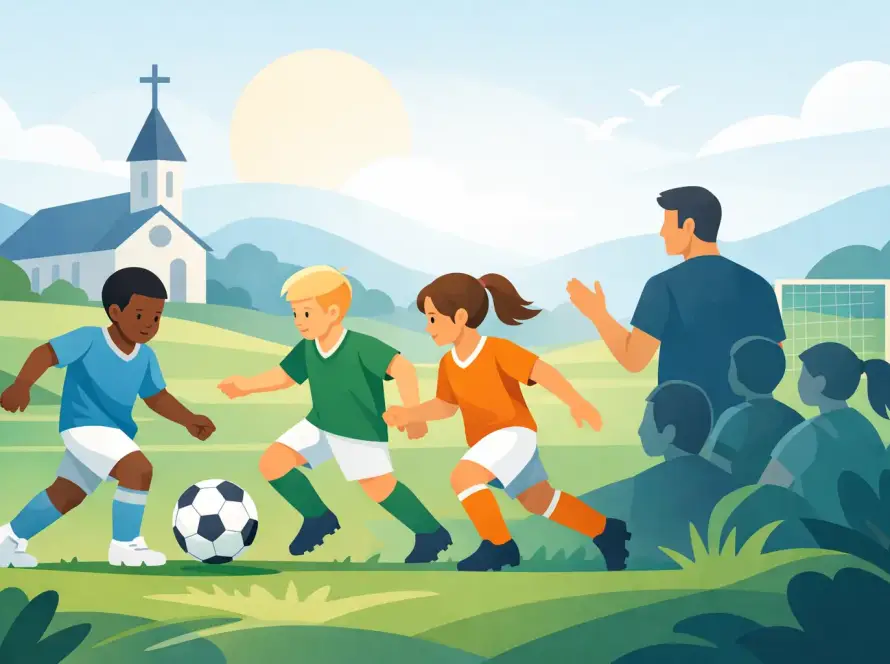
A child’s first touch, first tackle, or first goal can be exciting. What happens after that matters even more. The best soccer training for kids gives young athletes a place to learn the game with purpose, make mistakes safely, and discover that effort, discipline, and teamwork can carry into every part of life.
For families in Fontana, Rancho Cucamonga, and across the Inland Empire, choosing a program is about more than finding a practice field. Parents want credible coaching, clear expectations, positive role models, and a team environment where their child is known. Young players want to compete, improve, belong, and have fun. A strong program should make room for all of it.
What Great Soccer Training for Kids Looks Like
Good training does not treat every player the same. A beginning player needs comfort on the ball and encouragement to keep trying. An experienced athlete may need sharper decision-making, higher game speed, and honest feedback that prepares them for competitive play. Both need coaches who can see where they are now and help them take the next step.
That starts with technical development. Players should spend meaningful time dribbling, passing, receiving, shooting, and defending in age-appropriate activities. Repetition matters, but repetition without purpose becomes boring. The strongest sessions connect a skill to a real game moment: receiving the ball under pressure, finding a teammate in space, recovering after losing possession, or recognizing when to attack.
Training should also teach game awareness. Soccer moves quickly, and young athletes need to learn how to scan the field, communicate, support teammates, and make decisions before the ball reaches them. A player who can perform a move in a line drill is developing a foundation. A player who can recognize when to use that move in a match is growing into a soccer player.
Just as important, the environment must be safe, organized, and encouraging. Kids grow when they know effort will be recognized and mistakes will be coached, not mocked. That does not mean lowering standards. It means holding players accountable with patience, clarity, and respect.
Build Skills Without Rushing the Process
Parents often wonder how much training their child needs. The honest answer is: it depends on the player’s age, goals, current schedule, and joy for the game. More practices are not automatically better if a child is exhausted, discouraged, or missing the chance to simply enjoy playing.
For younger athletes, the priority is building a real relationship with the ball. They should be moving, smiling, trying new skills, and learning basic habits such as listening, sharing space, and responding to coaching. At this stage, confidence can be more valuable than complicated tactics. A child who believes, “I can try that again,” is more likely to keep developing.
As players mature, training can become more demanding. Competitive athletes benefit from faster drills, stronger opponents, tactical instruction, and match environments that require composure. They also need recovery, sleep, nutrition, and balance with school and family responsibilities. Development is not a race. A player who grows steadily over several years is often better prepared than one pushed too hard too soon.
At home, parents can support progress without turning the driveway into another pressure-filled practice. Encourage ten or fifteen minutes with a ball, ask what your child learned, and celebrate effort as much as goals. A simple habit of juggling, passing against a wall, or practicing turns with both feet can build confidence over time.
Competition Should Teach, Not Define, a Player
Games reveal what practice is building. They also reveal what still needs attention. Wins can be exciting, and competitive match play matters for athletes who want to pursue higher levels. But a scoreboard cannot tell the full story of a child’s growth.
A player may have had a strong game by communicating more, recovering after a mistake, taking on a defender, or making a selfless pass. A team may lose but show resilience, discipline, and a better understanding of its system. These are meaningful signs of progress.
Healthy competition asks players to prepare well and give their best. It teaches them to handle pressure, respect opponents, respond to adversity, and remain humble when things go their way. Unhealthy competition makes a child afraid to take risks or believe their value depends on one result. Families should look for coaches who compete with conviction while keeping the game in the right perspective.
Character Is Part of Player Development
Soccer gives children frequent opportunities to practice character. They must arrive ready, listen when instructions are given, encourage a teammate after a missed chance, and respond with composure when a call does not go their way. These lessons are not separate from the sport. They are part of becoming a dependable teammate and a confident young person.
A values-centered club should speak clearly about integrity, leadership, service, and accountability. Players need to understand that talent is a gift, while habits are a choice. They can choose to work hard when no one is watching. They can choose respect when frustration rises. They can choose to support the teammate who needs encouragement.
This is also where mentorship matters. A coach can help a player improve a first touch, but an invested coach can also challenge that athlete to communicate better, stay committed to academics, and lead with humility. Those conversations can shape a child long after a season ends.
Sentinels FC approaches development with this complete view of the player, drawing on more than 25 years of coaching experience to help athletes grow in skill, confidence, discipline, and purpose. Its faith-based foundation is grounded in God’s Kingdom while welcoming families of every religious background and culture with respect.
Questions Parents Should Ask Before Joining a Program
Before registering, parents should take a close look at how a club teaches, communicates, and supports families. The right fit is not always the biggest program or the one with the loudest promises. It is the program that matches your child’s needs and gives your family confidence in the people leading them.
Ask how coaches group players by age and development level. Find out whether sessions include technical instruction, small-sided play, and game-based decision-making. Learn what competitive opportunities are available for athletes who are ready for more, and whether recreational players still receive meaningful coaching and attention.
It is also wise to ask how the club handles playing time, player feedback, injuries, parent communication, and behavior standards. Clear answers are a good sign. Families deserve to understand the commitment, the expectations, and the path ahead.
Pay attention to the culture around the field as well. Do coaches correct players without tearing them down? Do teammates encourage one another? Are parents invited to partner in their child’s development? A positive culture does not mean every moment is easy. It means the adults in the program are committed to helping young athletes learn through both success and setback.
Help Your Child Find the Right Next Step
The right soccer experience should challenge a child without making them feel alone. A recreational player may need a welcoming first team and a coach who makes the basics enjoyable. A player with competitive goals may need stronger training, league competition, and a clear path to greater match experience. Some athletes need both technical work and a renewed belief in themselves.
Listen to your child, observe how they respond after practices and games, and keep the conversation open. Are they learning? Are they being challenged? Do they feel supported? Are they becoming more responsible on and off the field? Those answers will tell you far more than a single weekend result.
When kids are given skilled coaching, meaningful competition, and adults who care about who they are becoming, soccer becomes more than a sport on the calendar. It becomes a place to compete, grow, serve their teammates, and carry confidence into the next part of their lives.